





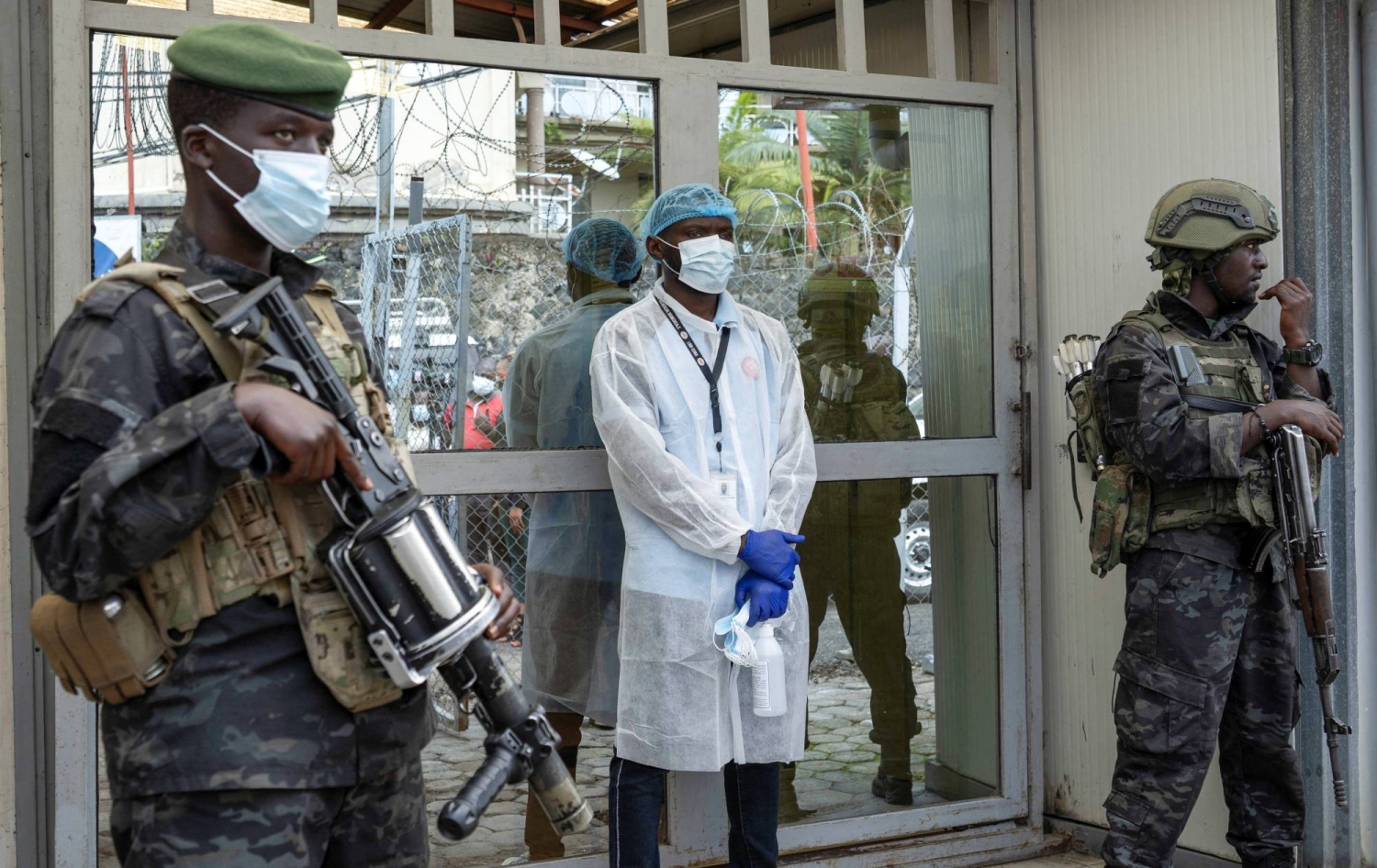

A rapidly unfolding Ebola crisis in the Democratic Republic of Congo is a reminder of the value of maintaining robust global disease surveillance and response systems — and the dire consequences of weakening them.
The outbreak came to the public’s attention just days ago, but by Tuesday had grown to more than 500 suspected cases and 130 suspected deaths. Several of those cases were imported to neighboring Uganda and a handful have been reported in urban centers — an alarming escalation for a highly contagious virus known to kill anywhere from 25% to 50% of those it infects.
Although the epidemic is occurring in a region with plenty of experience with Ebola, several factors have raised the stakes. The long lag in detecting the virus allowed it to spread for weeks unchecked. There are no approved vaccines or treatments for the strain of Ebola, called Bundibugyo virus, driving the spread. And the already challenging project of containing the outbreak has been complicated by the last year of cuts by the U.S. to global health infrastructure.



With your current subscription plan you can comment on stories. However, before writing your first comment, please create a display name in the Profile section of your subscriber account page.